Spring hasn’t yet announced itself with blooms and buzz, but something is definitely stirring beneath the soil in February. On sunny days the light feels a little warmer, birds sing a little longer, and if you walk slowly through the beds, you might catch the tiniest hint of green emerging where seeds slept all winter.
February is a month of gentle momentum, a time to sow seeds, prepare for the season ahead, and take small actions that lead to big harvests later on.
In the colder zones, February is still very much a planning and indoor sowing month. In milder climates, it’s the beginning of outdoor planting and soil care. No matter where you live, there’s something meaningful you can do this month.
Here’s your February gardening checklist, the things to plant, prepare, and pay attention to this month, organized by growing zone so you can take action with confidence and purpose.
What to Plant Indoors in February
February is when indoor seed starting truly begins to feel exciting. These early sowings give slower-growing plants a gentle head start so they’re strong and ready when it’s time to move outdoors.
Across most growing zones, February is ideal for starting cool-season crops indoors, especially those that transplant well and appreciate steady early growth.
Seeds to Start Indoors This Month
-
Broccoli
-
Cabbage
-
Cauliflower
-
Brussels sprouts
-
Leeks
-
Onions
-
Lettuce
-
Kale
-
Swiss chard
-
Parsley
-
Cilantro
-
Thyme
These crops don’t mind cool temperatures once they’re transplanted and tend to grow slowly and steadily in early spring. Starting them indoors now gives you healthy, established plants ready to go when conditions allow.
If you garden in a milder climate (Zones 7–10), you can also begin starting:
-
Tomatoes
-
Peppers
-
Eggplant
What to Plant Outdoors in February (By Zone)

Outdoor planting in February depends heavily on climate, soil conditions, and whether you use protection like row cover or cold frames. While some gardens are still resting, others are very much awake.
Zones 9–10: Active Winter Gardens
In warm winter climates, February is a productive planting month.
Direct sow outdoors:
-
Spinach
-
Lettuce
-
Arugula
-
Mustard greens
-
Radishes
-
Carrots
-
Beets
-
Turnips
Transplant:
-
Brassicas
-
Onions
-
Leeks
Soil is workable, pests are minimal, and cool-season crops thrive.
Zones 7–8: Gentle Outdoor Beginnings
Here where we are located in western Oregon and in similar climates, February is about cautious optimism.
Direct sow (with protection during cold snaps):
-
Spinach
-
Lettuce
-
Arugula
-
Radishes
-
Peas
Transplant hardy starts:
-
Broccoli
-
Cabbage
-
Kale
-
Onions
Row covers, cloches, or low tunnels can make all the difference during sudden temperature dips.
Zones 5–6: Under Cover & Indoors
Outdoor planting is limited, but not impossible with protection.
Best options:
-
Spinach, kale, and lettuce under cold frames
-
Transplant hardy brassicas under protection
Otherwise, February is best spent:
-
Starting seeds indoors
-
Preparing beds when soil is workable
Zones 3–4: Planning & Preparation
In colder climates, February remains an indoor-focused month.
Your energy is best directed toward:
-
Seed starting indoors
-
Tool maintenance
-
Planning and garden layout
Outdoor planting typically waits until later spring unless you have a greenhouse.

Soil Care: Feeding the Garden from the Ground Up
February is an excellent month to care for the soil, even if little is growing above ground.
Organic gardening is built on the idea that soil health comes first. Soil organisms rebuild, decompose organic matter, and prepare nutrients for plant uptake.
February Soil Tasks
-
Keep soil covered (add a layer of compost, leaves or straw)
-
Avoid compaction (let soil structure remain intact)
-
Let roots from past crops remain in place
These tasks protect soil life, improve structure, and reduce erosion long before planting season begins.

Prune While Plants Are Resting
February is often the last ideal window for dormant pruning before spring growth begins.
What to Prune Now
-
Apple and pear trees
-
Blueberries and other berries
-
Grape vines
Pruning now helps improve airflow, encourages strong growth, and reduces disease pressure later in the season.
Avoid pruning shrubs that bloom early in spring if flowers are important to you. Many of those already have buds set.
Prepare Beds
If weather allows and soil isn’t waterlogged or frozen, February is a good time to begin gentle bed preparation.
-
Remove early weeds while they’re small
-
Smooth out raised beds
-
Repair raised beds, edging, and pathways
This light preparation makes spring planting feel calm instead of rushed.

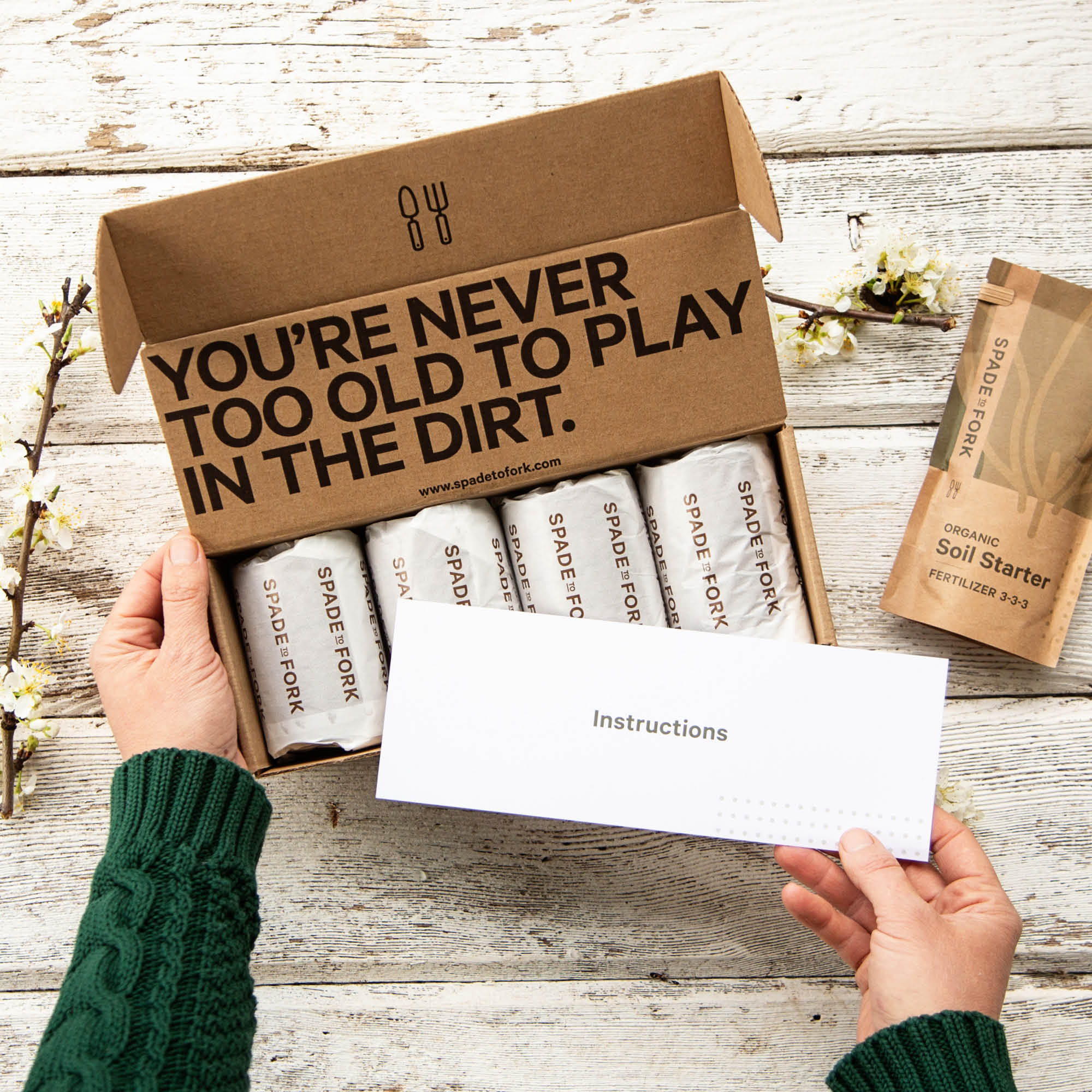
Seed-Starting Setup: Get Organized
As seed-starting season starts, take time to set up a efficient space.
Make sure you have:
-
Adequate light (grow lights or bright windows)
-
Fresh seed-starting mix
- Organic seeds
-
Clean trays and containers
-
Labels (future-you will be grateful)
A good set up makes indoor seed starting a breeze.
February Gardening by Zone — At a Glance
|
Zone |
Focus This Month |
|
3–4 |
Indoor seed starting, planning |
|
5–6 |
Indoor seed starting, or under cold frames |
|
7–8 |
Direct sow greens, transplant cold-hardy crops |
|
9–10 |
Active outdoor planting |
A Reminder for the Month Ahead
February gardening isn’t about rushing ahead, it’s about timing.
This month rewards patience and observation. Think of February as the bridge between rest and renewal.
Grow well.
Live well.
Spring is on its way.